Japan, Beyond Tokyo and Kyoto: The Two-Night Naoshima Detour.
Most Japan itineraries add another night in Tokyo or Kyoto. For travellers drawn to art and architecture, we'd give those two nights to an island instead.
Why Naoshima
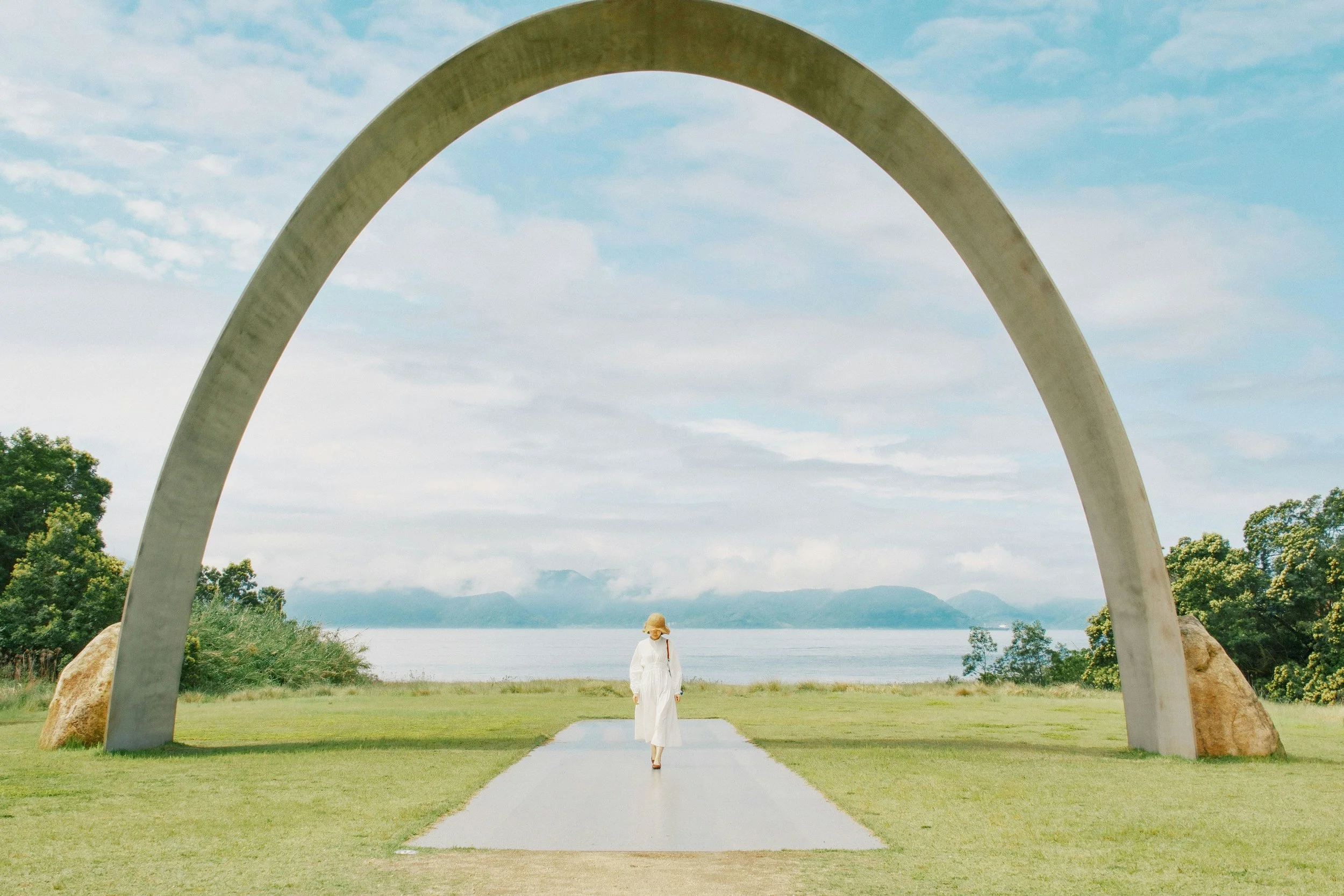
Naoshima, where the art is set in the landscape and the sea is never far from view. Photograph: Yunan Wang / Unsplash
Naoshima sits in the Seto Inland Sea, a quiet island where contemporary art has been placed in conversation with the landscape rather than kept behind museum walls. Works appear on beaches, in hillside galleries and in restored village houses. The buildings, many by Tadao Ando, are part of the experience in their own right.
Why we'd stay at Benesse House
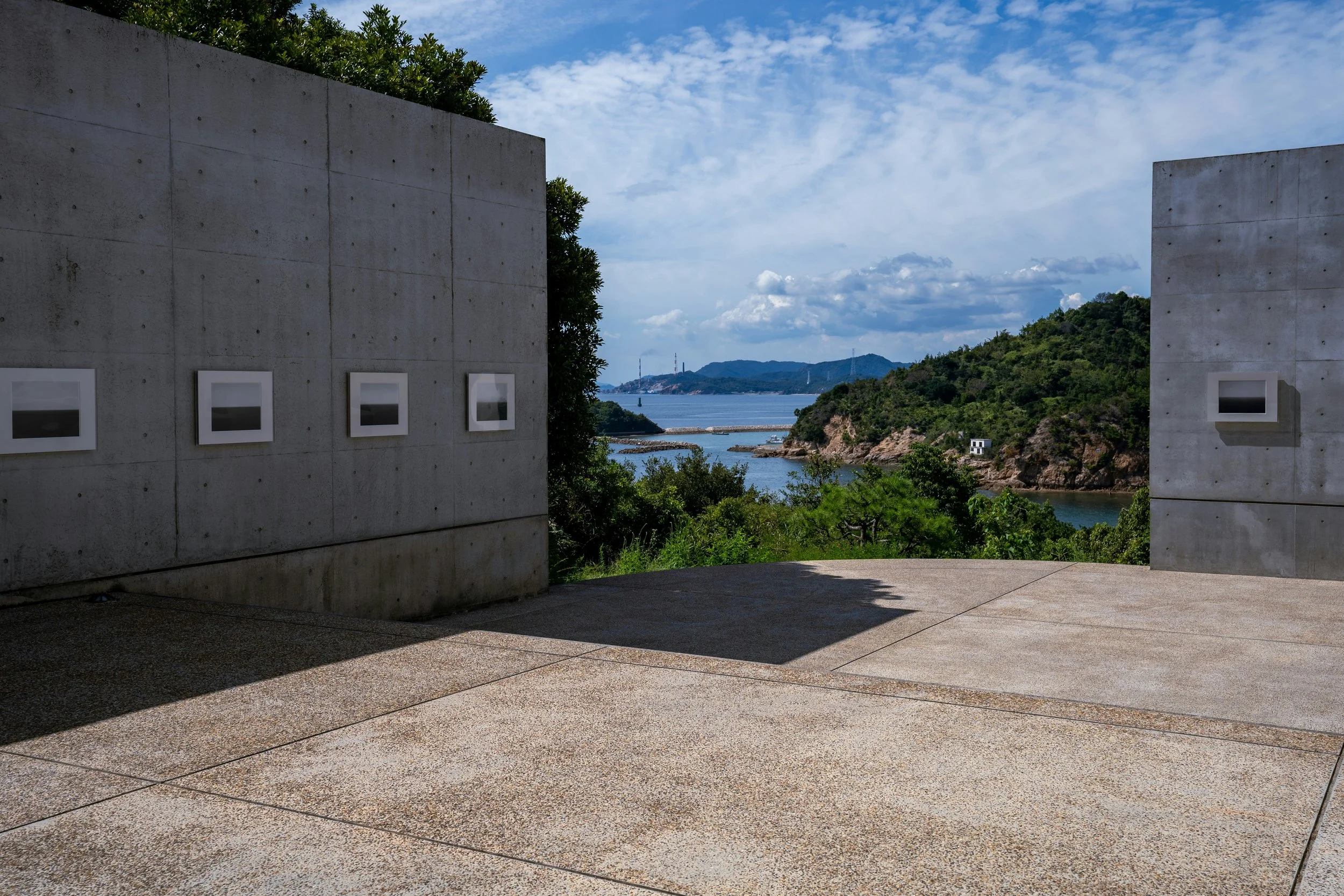
At Benesse House, Hiroshi Sugimoto's seascapes hang outdoors, looking out at the sea they echo. Photograph: Philip Ho / Unsplash
Benesse House is both a hotel and a museum, set on a hill above the sea. It is the reason we suggest staying rather than visiting. Guests in the Museum and Oval wings keep access to the museum after day visitors have left, so you can walk the galleries in the evening, almost alone. When we book, the room category is the first detail we secure.
What we'd plan around
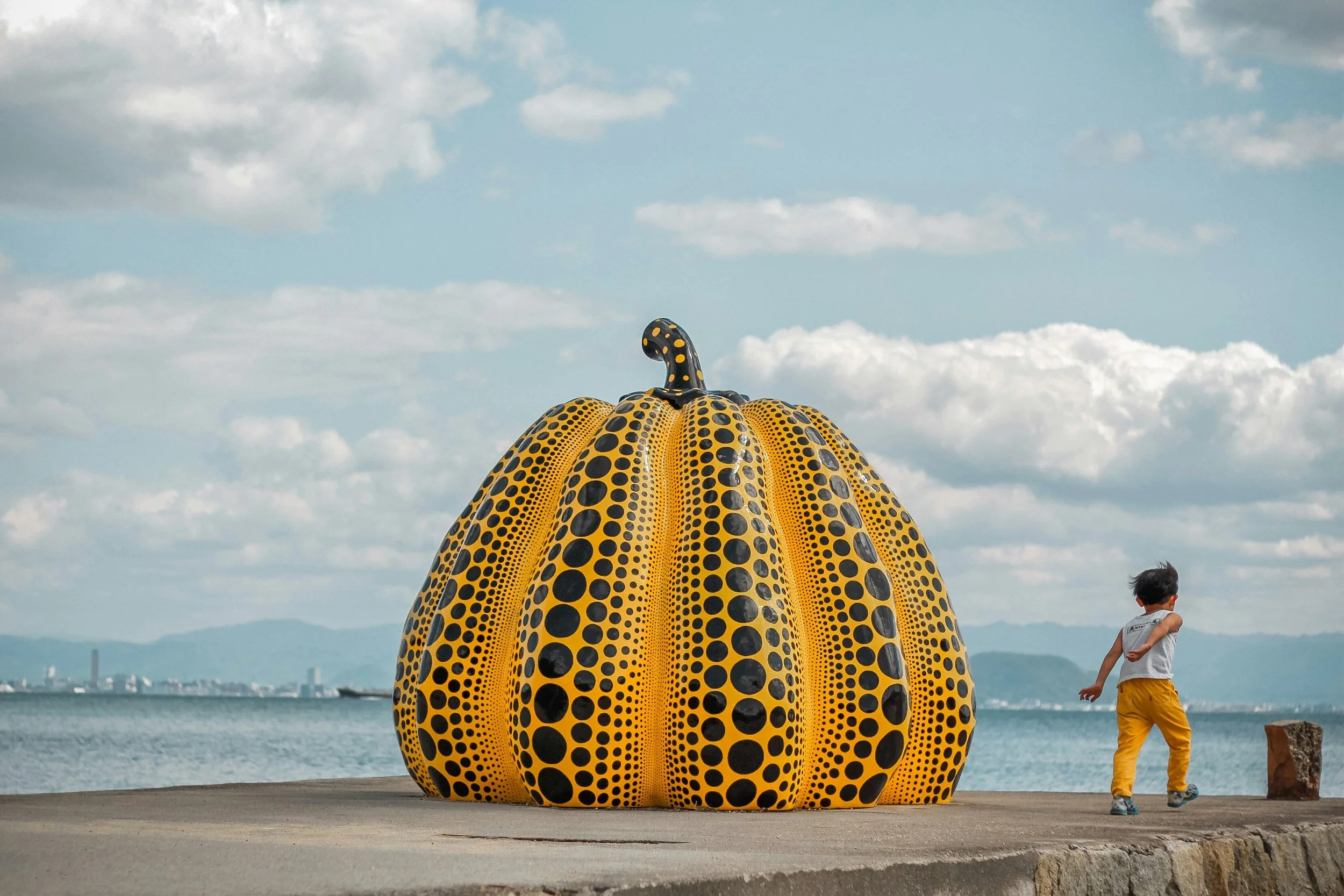
Yayoi Kusama's Pumpkin, on the pier where the island meets the sea. Photograph: Yue-Ting Lin / Unsplash
Chichu Art Museum: Ando's largely underground museum, lit by daylight, with works by Claude Monet, James Turrell and Walter De Maria. Entry is by timed reservation, so we arrange it in advance.
Lee Ufan Museum: a quiet, contemplative space a short walk from Chichu.
The Art House Project in Honmura: old houses in the village, each transformed into a work of art by an artist.
The shoreline: outdoor works on the lawns and beaches around Benesse House, best seen in the early morning or late afternoon light.
Why two nights, not a day trip?
A day trip means a morning ferry, a tight schedule and the last boat back. With two nights, the island changes the pace of the whole journey. You arrive, slow down, see the museums without hurrying, and have the evenings largely to yourself once the day visitors have gone.
Where it fits in the route
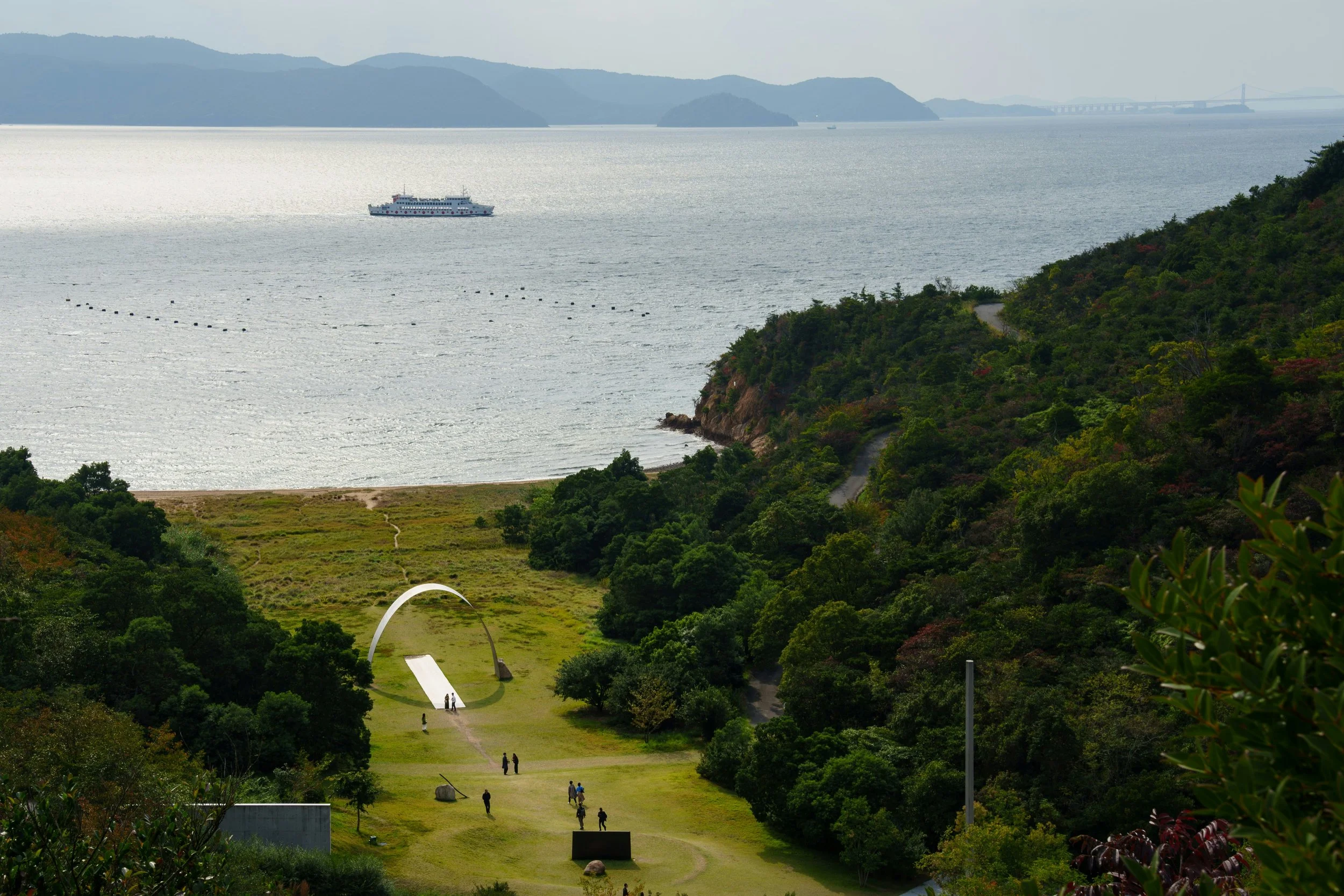
The crossing is part of the pleasure: a short ferry, and the island's pace takes over. Photograph: Ahab Sun / Unsplash
Naoshima sits naturally between Kyoto and the end of the trip: a train journey west, then a short ferry crossing. Most of the island's art spaces close on Mondays, so we plan the days around that.
If Japan is on your list for 2027, tell us what you love beyond the obvious stops: art, architecture, food, gardens, or time to do very little. We'll design the route around it.
